Back
Back
Back
Back
Back
Back
Back
Back

Select your country and language preference

The page you are trying to navigate to is only avalible in the following regions, please select a country and language to proceed.

Back

Damage on return: how to make the conversation easier

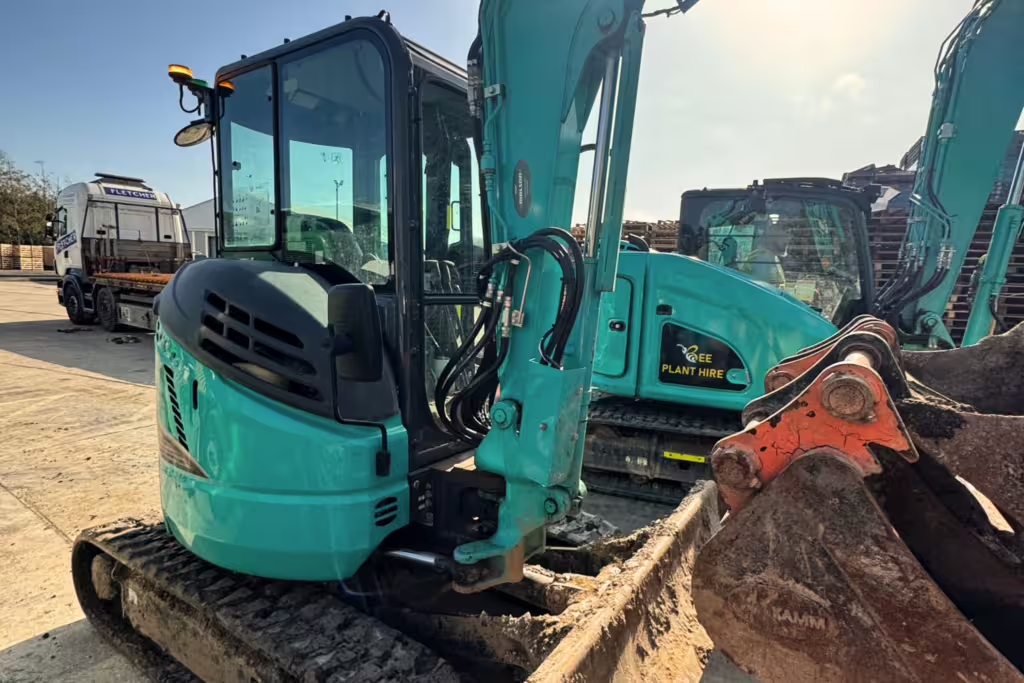
A machine comes back with a dent in the side panel. Before discussing a possible charge, the hire team needs to compare it with the condition recorded at handover.

If photographs and inspection notes are difficult to find, the customer is left waiting while the team pieces the history together.

A useful process connects the outgoing record with the return inspection, the customer conversation and the work needed before the equipment can go out again.

Make the outgoing record useful at return

The outgoing record needs enough detail for a colleague to compare the equipment’s condition before and after the hire. Identify the equipment, record existing damage and keep photographs and inspection notes with the relevant hire. Include wider views to show where an issue is located, alongside closer images where needed.

The practical test is simple: could a colleague who did not prepare the machine understand its recorded condition?

Give the customer access to the relevant handover information and explain how to raise discrepancies. That provides a shared starting point if questions arise later.

Separate what you find from what you conclude

At return, describe the observation precisely. A note saying “damaged” leaves the next person to investigate the issue again. Identifying the affected part and comparing it with the outgoing record gives them something specific to assess.

A photograph records visible condition at a particular moment. It does not, by itself, establish when damage occurred or who is responsible. Whether a change should be treated as wear, damage or something requiring further investigation needs an assessment.

If the available record does not establish what happened, explain what remains uncertain. Where equipment is collected from site and inspected later at the depot, record when and where each observation was made.

"Put yourself in the customer’s position. They need to see what you’ve found and how it compares with the condition when the equipment went out. If something is unclear, explain what you still need to check. That gives you a much better starting point for the conversation."
– David White, Manager, Sales UK

Explain the assessment and next step

Give the customer an opportunity to provide information that may help the assessment. If a charge is proposed, explain its basis and how it relates to the agreed hire terms. Confirm who will follow up and when the customer can expect an update.

Keep a record of the evidence shared, the customer’s response and any open questions. A colleague should be able to continue the conversation without asking the customer to go through it all again.

Keep the next hire in view

Alongside the customer conversation, the depot needs to decide what happens to the equipment. Assign responsibility for the assessment or repair and keep its availability up to date. Physical return alone does not establish that it is ready for another customer.

If another hire is booked, the team needs to know whether the equipment will be ready in time. A delayed assessment or repair may affect that booking, so check the next commitment and agree who will update the plan and contact the customer if needed.

Start by reviewing a small sample of recent damage returns. Could the team find the outgoing record, explain the issue to the customer and identify who owned the next action? Any missing step gives you a practical place to improve.

Do you want to learn more?

For practical examples of agreeing scope, service and customer expectations, read Conversations that protect your hire business.

Download the guide
Download the guide